English

Español

Français

Русский

عربي

Português

Deutsch

日本語

한국인

Continuous Pyrolysis Plant

Products

Semi-Continuous Pyrolysis Plant

Continuous Waste Tyre Pyrolysis Plant
Processing Capacity

5/10/12/15TPD, custom

End Products

Pyrolysis oil, syn-gas, carbon black

Core Components

Pyrolysis reactor, oil condenser

Certificates

CE, ISO, SGS

The semi-continuous pyrolysis plant is a waste to energy processing system that decomposes organic waste into usable products such as oil and gas, carbon black, and syngas by controlling temperature and pressure. Compared to fully automatic pyrolysis equipment, it offers greater operational flexibility, making it suitable for small to medium-sized projects; compared to batch pyrolysis machines, it reduces downtime and improves production stability.

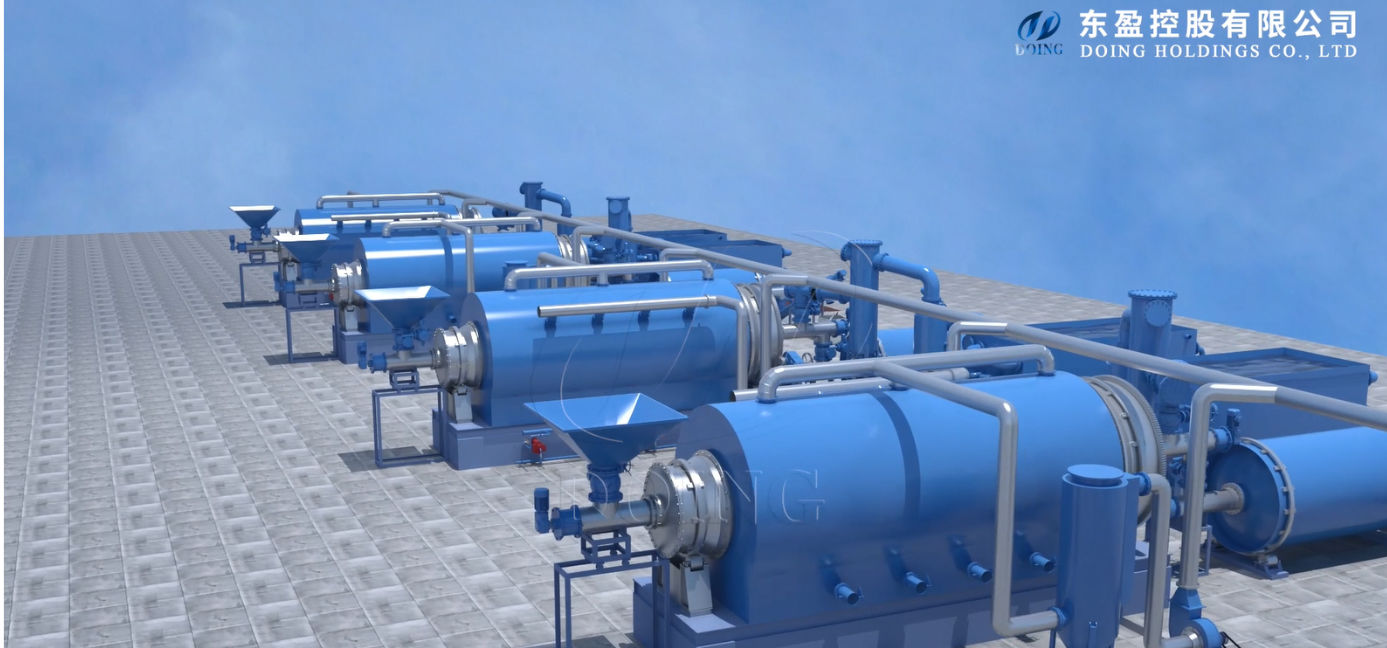
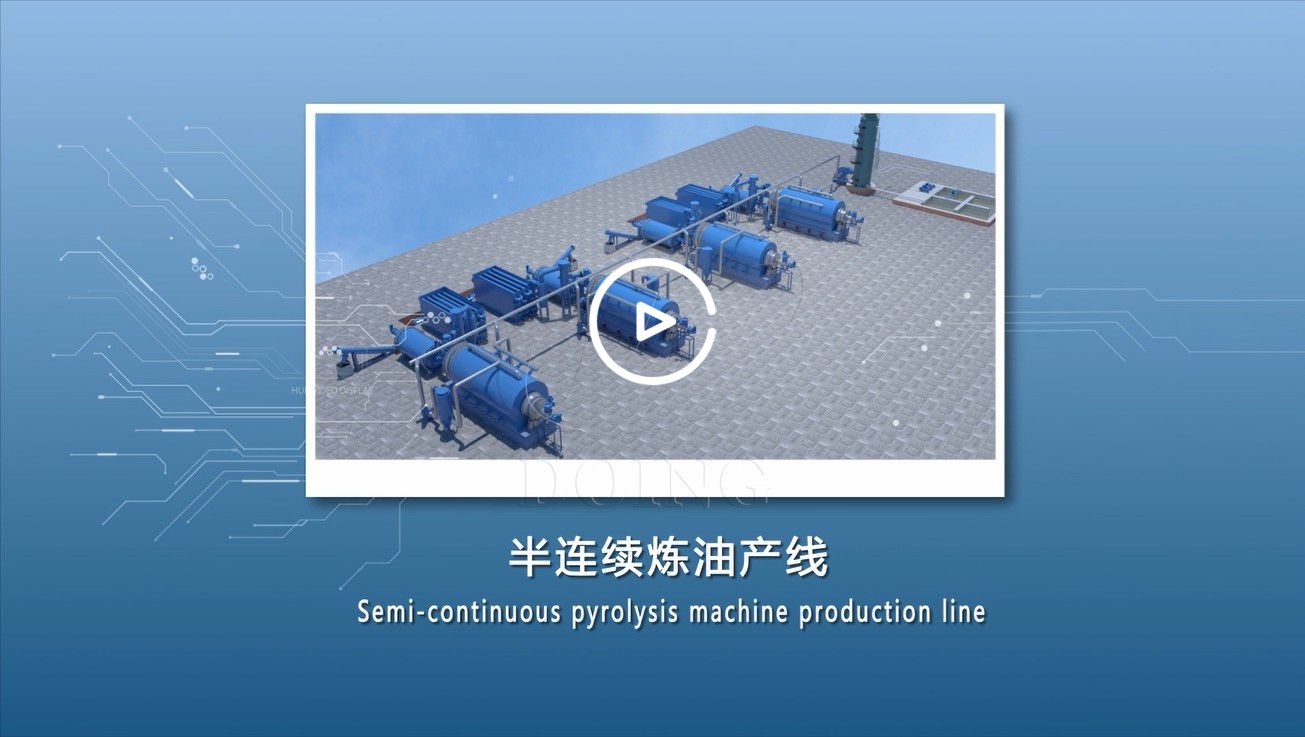
Semi-Continuous Pyrolysis Plant Working Process Video

Semi-Continuous Pyrolysis Plant Working Process Video
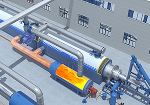
DOING's semi-continuous pyrolysis plant helps companies achieve efficient conversion of raw materials and produce high-quality fuel oil and by-products. Whether you are new to waste recycling or seeking equipment upgrades, our solutions provide reliable support. To give you a more intuitive understanding of the equipment, we offer a high-definition 3D video demonstration of the semi-continuous pyrolysis machine, showcasing the entire process from raw material feeding to product output.

Raw Material

Semi-continuous pyrolysis equipment supports a variety of common waste materials as raw materials, including but not limited to:

· Waste tire shreds and rubber powder: High rubber content, oil yield after pyrolysis can reach 40%-50%.

· Waste plastic shreds and granules: Such as PE (HDPE/LDPE), PP, ABS, mixed plastics, etc., suitable for municipal solid waste sorting and treatment, with an oil yield of approximately 30%-60%.

· Waste oil sludge: Enables environmentally friendly thermal desorption of numerous oilfield sludge, coal tar residue and tank bottom sludge, recovering and reusing fuel oil. The oil yield varies depending on the raw material's moisture content, impurity content, etc.

· Shredded biomass: Focuses more on the production of charcoal-related products; the production line equipment configuration is slightly different.
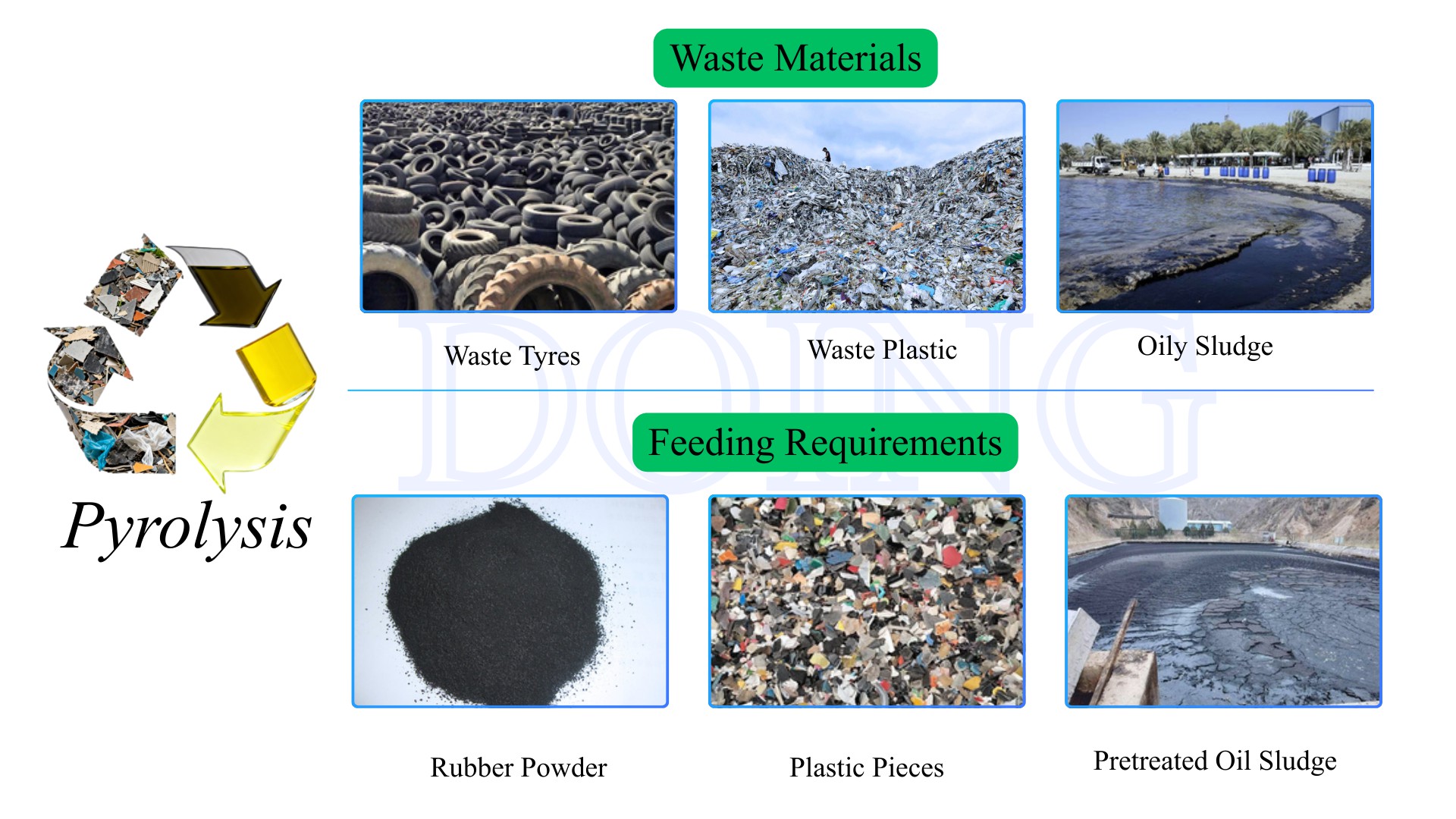
Raw material pretreatment requirements: Typically, raw material pretreatment only requires crushing and drying to ensure continuous feeding and efficient, stable pyrolysis without complex separation.
semi-continuous pyrolysis plant processing wastes

Working Process

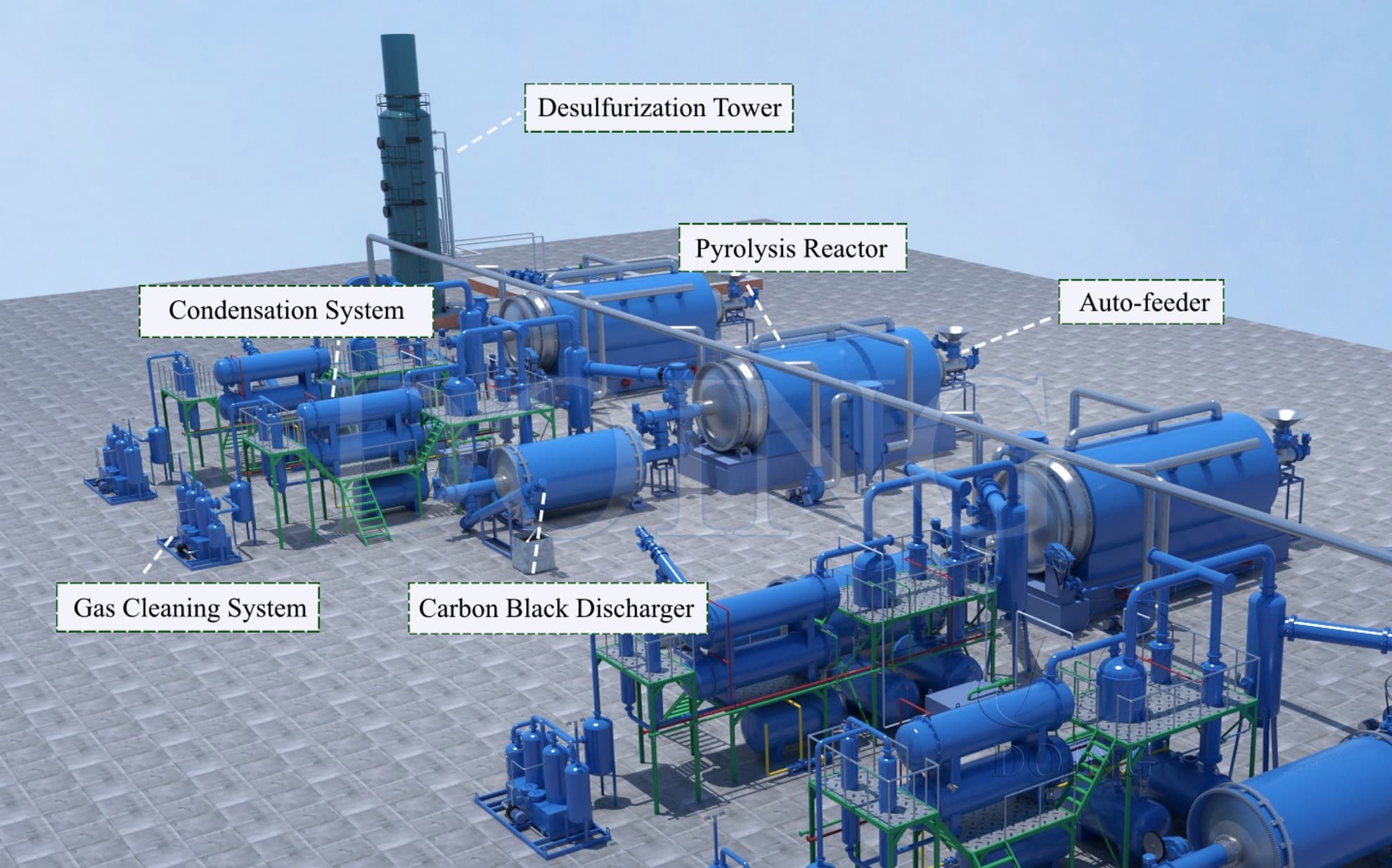
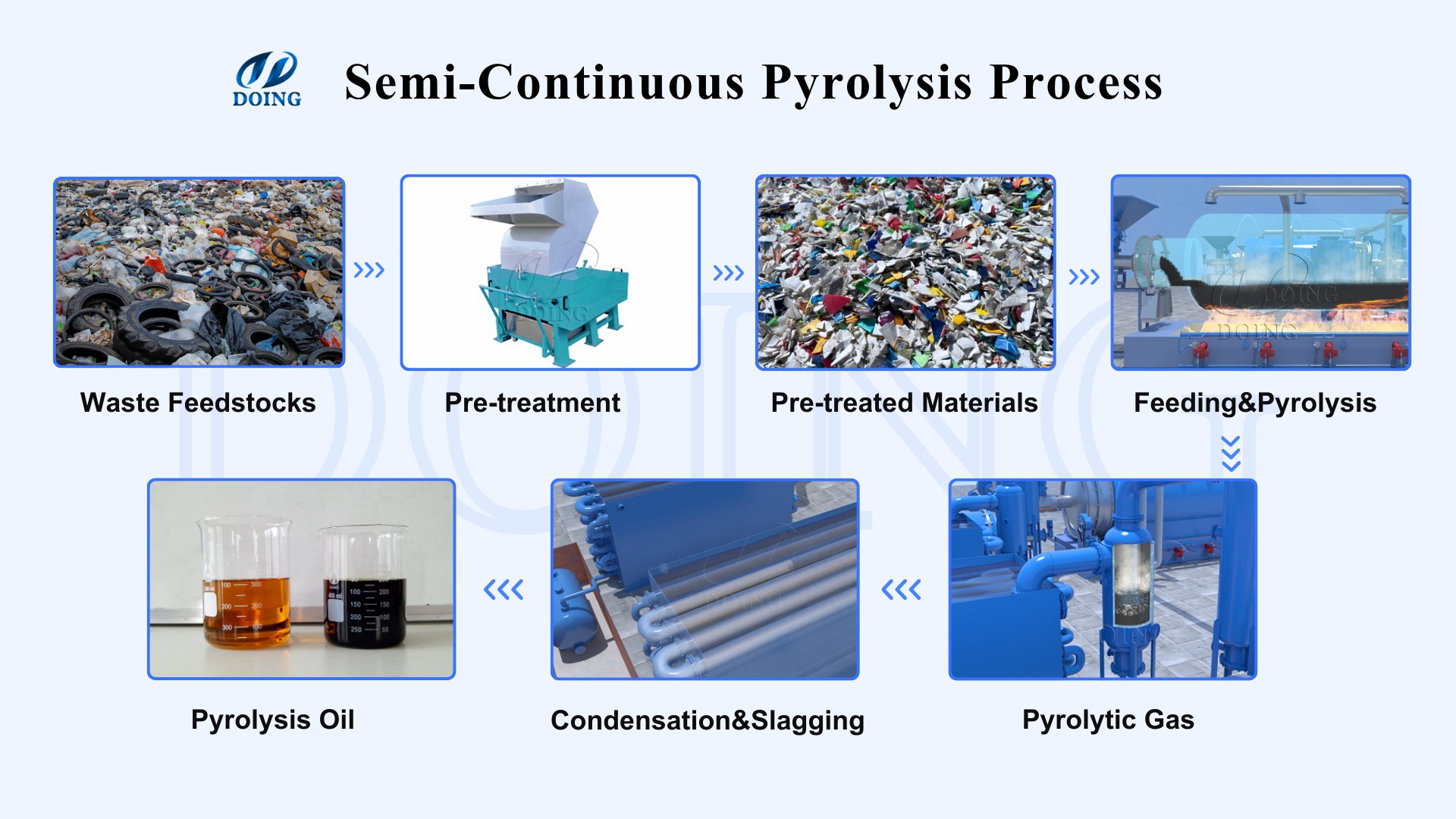
The core components of DOING's semi-continuous pyrolysis plant include a screw feeder, pyrolysis reactor, oil gas condensation system, carbon black cooling and collection system, and exhaust gas treatment equipment, ensuring a safe and environmentally friendly thermal cracking process. DOING's semi-continuous pyrolysis plant features a simple and efficient workflow, divided into six main stages to ensure continuous operation, high efficiency, and product purity.
semi-continuous pyrolysis equipment configuration
1
Raw Material Preparation

Waste rubber tires, plastics, sludge, biomass, and other raw materials are pre-treated and fed into the feeding system—a screw conveyor.

2
Heating and Pyrolysis
Materials enter the reactor and are heated to 300-600℃ in an anaerobic environment, undergoing a pyrolysis reaction to generate oil gas and solid residue.
3
Oil-Gas Separation
High-temperature oil gas is transported through pipelines to a condenser (usually a water tank design for easy installation), where it is fractionated into oil and non-condensable combustible gas.
4
Product Collection
Extractde pyrolysis oil is automatically stored, carbon black is cooled and discharged, and syngas is recycled or purified for emission.
5
Exhaust Gas Treatment

Equipped with dust removal and desulfurization devices, the specific equipment configuration can be customized according to the requirements of the customer's pyrolysis project location to ensure compliance with environmental standards.

6
System Circulation

In semi-continuous mode, the next batch of raw materials can be seamlessly connected. The efficiency of the semi-continuous pyrolysis equipment is approximately 3 pyrolysis batches every 2 days. The entire process is highly automated, reducing manual intervention and downtime for reactor and product cooling.

Technical Data of Semi-continuous Pyrolysis Plant

Model DY-S-5 DY-S-10 DY-S-12 DY-S-15 DY-S-18 DY-S-20
Capacity 5T/D 10T/D 12T/D 15T/D 18T/D 20T/D
Power ≤30Kw
Working type Semi-Continuous
Reactor Thickness 14-22mm, can be customized
Cooling system Shell tube condensation system/Water tank condensation system
Cooling system Recycled waster cooling
Reactor material Q245R/Q345R boiler plate or Stainless Steel
Heating method Direct heating
Heating fuel Fuel oil/Natural Gas/Coal/Wood
Site Area take 10-15ton machine as an example, about 300 ㎡

Unique Advantages of DOING Semi-continuous Pyrolysis Plant

Unique Advantages of DOING Semi-continuous Pyrolysis Plant
Semi-continuous pyrolysis machine is renowned for its high cost-effectiveness and is specifically designed for processing waste rubber tires, waste plastics, and waste oil sludge, etc. It’s an ideal choice for medium-sized waste resource recovery projects, especially in balancing investment, efficiency, and environmental protection. DOING Semi-continuous pyrolysis plant combines the advantages of both batch and continuous systems, exhibiting unique strengths in several aspects
01 High Production Efficiency and Automation
Semi-continuous equipment employs automatic feeding and high-temperature slag discharge, reducing manual intervention and saving labor costs, while maintaining higher production efficiency than batch equipment.
02 Lower Investment and Operating Costs
Compared to fully continuous equipment, semi-continuous equipment offers more flexible investment budgets, making it more suitable for medium-sized projects with limited funds but pursuing high efficiency. It also boasts lower energy consumption and higher finished oil yield, reducing operating costs.
03 Strong Process Adaptability
This equipment can process various raw materials (such as waste tires, rubber powder, plastics, oil sludge, etc.) and can be specially designed according to material characteristics to ensure stable operation.
04 Environmental and Safety Performance
Utilizing a sealed pyrolysis process, the oxygen-free environment reduces the risk of explosion; exhaust gas is treated by a purification system (such as desulfurization and dust removal tower) to meet emission standards and comply with environmental requirements.
05 Automation level
Most equipment is equipped with a PLC control system, which can monitor parameters such as temperature and pressure in real time, improving operational safety and stability.

Final Products And Their Application

Pyrolysis Oil
Carbon Black
Steel Wire
Combustible Gas
Diesel
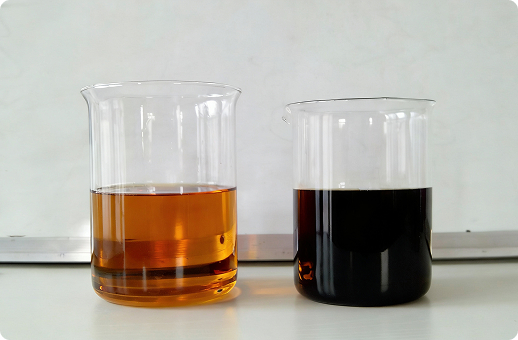
Pyrolysis Oil (waste derived fuel, heavy oil)
  • 1. pyrolysis oil can be sold directly.
  • 2. Reprocessed into diesel by waste oil distillation machine.
  • 3. The calorific value of TPO ranges from 41.63 to 44.32 MJ/kg, which can be used as industrial boiler/furnaces fuel materials for burning.
Tire Pyrolysis Oil (TPO, all called TDF tire derived fuel) Tire Pyrolysis Oil (TPO, all called TDF tire derived fuel) Tire Pyrolysis Oil (TPO, all called TDF tire derived fuel)
Gasoline
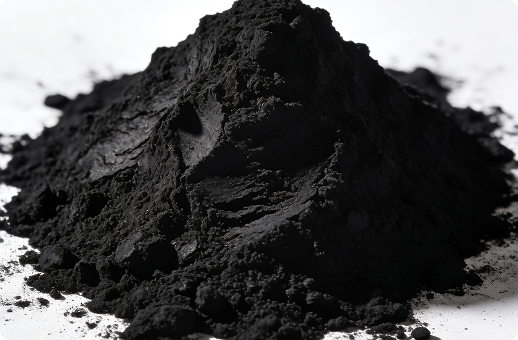
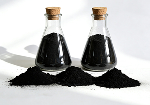
Carbon Black (Recovered Carbon Black RCB)
  • 1. Can be sold directly.
  • 2. Reprocessed into high quality carbon by the carbon black processing plant.
  • 3. Make carbon brick/ carbon black balls by briquette machine.
Carbon Black (Recovered Carbon Black RCB) Carbon Black (Recovered Carbon Black RCB) Carbon Black (Recovered Carbon Black RCB)
Heavy Pyrolysis Oil
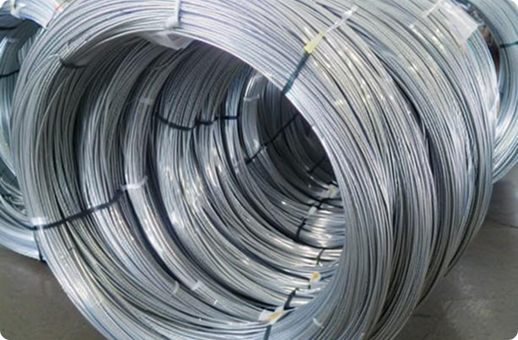
Steel Wire
  • Can be reprocessed or used to make steel and iron rod.
Steel Wire Steel Wire
Carbon Black
Combustible Gas (Syn-gas)
  • Can be recycled as fuel to heat the reactor, saving pyrolysis plant operation cost.
Combustible Gas (Syn-gas) Combustible Gas (Syn-gas)

Leave A Message

Before You Send Inquiry

Name*

E-mail*

Whatsapp*

Country*

Inquiry